Layer thickness, moisture and the right drum do most of the work.
Failed density tests are almost never caused by the roller. They are caused by layers that are too thick, material that is too dry or too wet, or a padfoot drum used where a smooth drum was needed. The machine takes the blame because it is the visible part of the process.
Keep compacted layer thickness to about 150 mm for granular material and less for cohesive clay. Two thin layers compacted properly will pass where one thick layer fails every time, and the extra roller passes cost far less than a rework instruction.
Moisture content matters more than pass count. Material at optimum moisture compacts with a handful of passes; material that is bone dry will not reach density no matter how long the roller runs. Book a water tanker alongside the roller on dry sites — it is the cheapest insurance on the job.
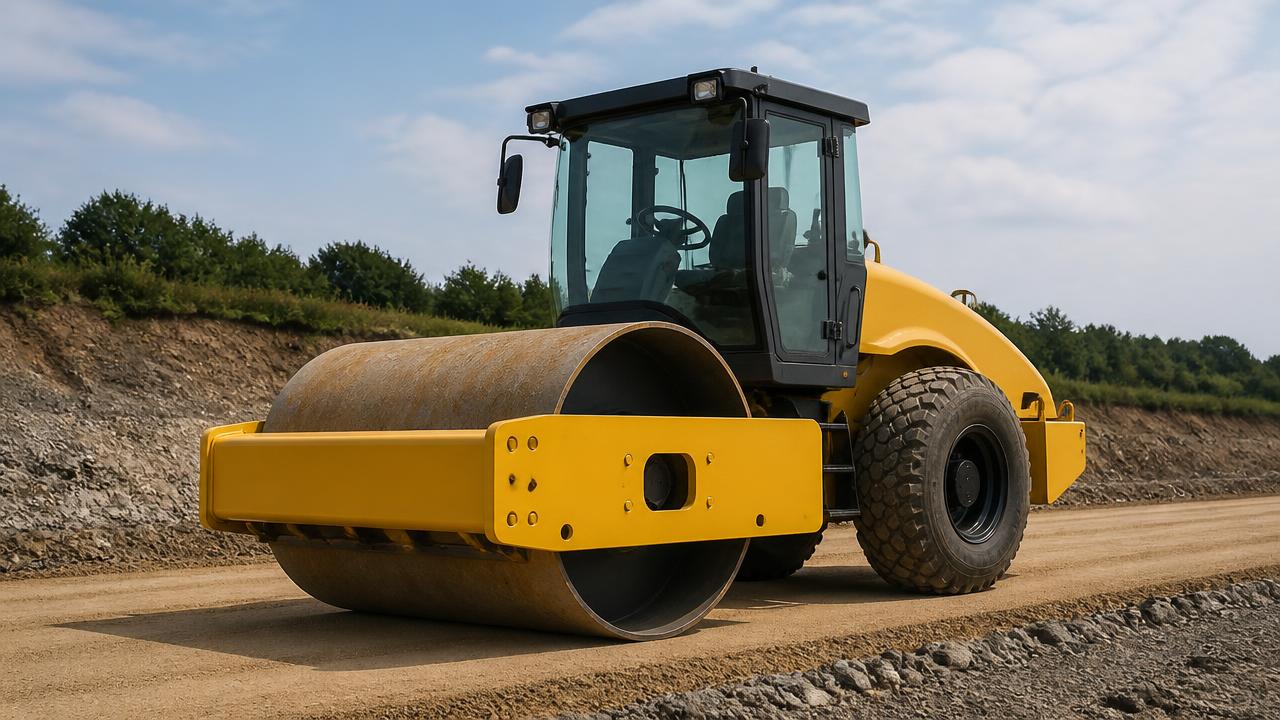
Match the drum to the material: smooth drum for granular sub-base and asphalt, padfoot for cohesive clay fill, pneumatic tyre for sealing a wearing course. If you are not sure what you are compacting, send us the material description and we will tell you which unit to take.
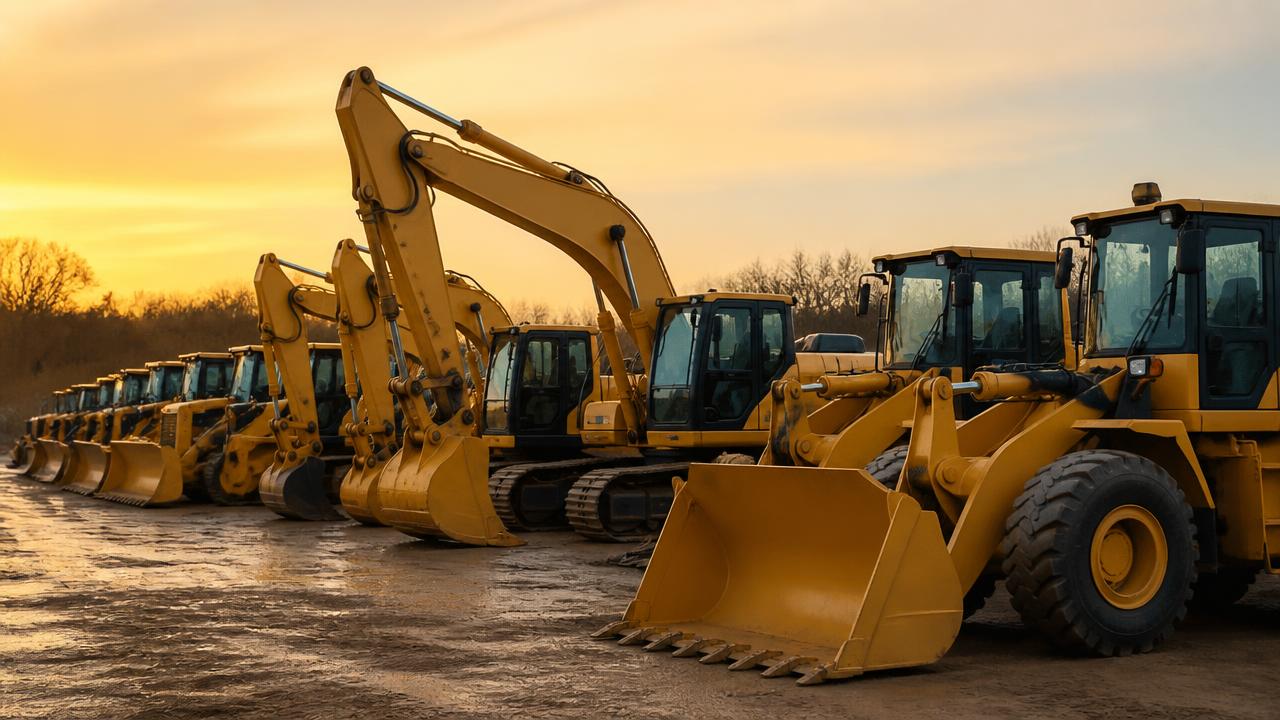
Our team can spec the right fleet mix for your programme and site conditions.